Screenshots
No screenshots available for this title yet.
Cinema Discovery Archive
Cinephilecentral
Curated movie catalog and metadata explorer
Continue to the security-verification page to unlock your download.
A short ad flow runs before your download starts.
IMDB ID: tt0062379
Loading TMDb metadata...
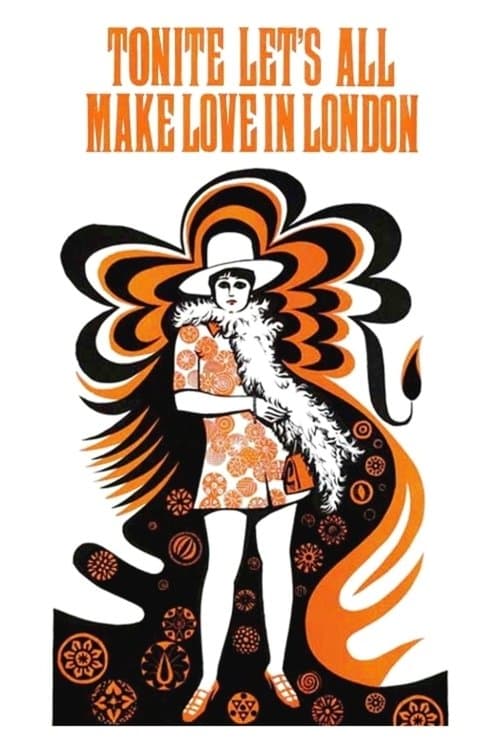
No screenshots available for this title yet.
Synopsis
Peter Whitehead’s disjointed Swinging London documentary, subtitled “A Pop Concerto,” comprises a number of different “movements,” each depicting a different theme underscored by music: A early version of Pink Floyd’s “Interstellar Overdrive” plays behind some arty nightclub scenes, while Chris Farlowe’s rendition of the Rolling Stones’ “Out of Time” accompanies a young woman’s description of London nightlife and the vacuousness of her own existence. In another segment, the Marquess of Kensington (Robert Wace) croons the nostalgic “Changing of the Guard” to shots of Buckingham Palace’s changing of the guard, and recording act Vashti are seen at work in the studio. Sandwiched between are clips of Mick Jagger (discussing revolution), Andrew Loog Oldham (discussing his future) – and Julie Christie, Michael Caine, Lee Marvin, and novelist Edna O’Brien (each discussing sex). The best part is footage of the riot that interrupted the Stones’ 1966 Royal Albert Hall concert.
Vashti Bunyan
Cast
Michael Caine
Cast
Allen Ginsberg
Cast
Mick Jagger
Cast
Julie Christie
Cast
Vanessa Redgrave
Cast
Syd Barrett
Cast
Jim Brown
Cast
Eric Burdon
Cast
Lee Marvin
Cast
Peter Whitehead
Director
Peter Whitehead
Writer
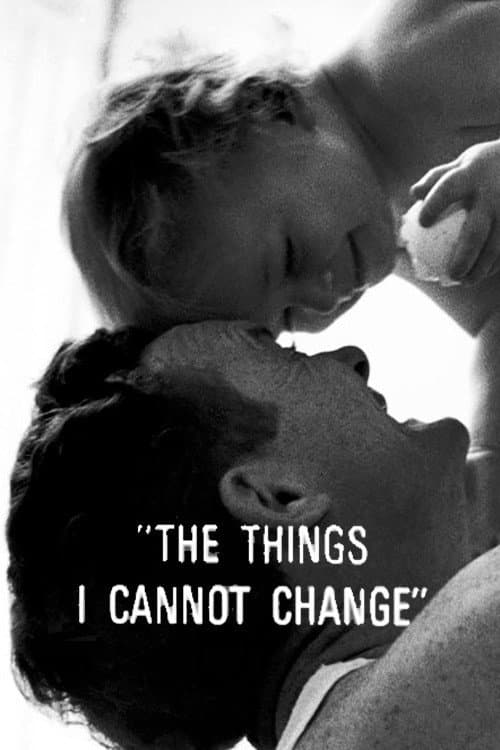
The Things I Cannot Change
1967"This feature documentary is considered to be the forerunner of the NFB's Challenge for Change Program. The film offers in inside look at 3 weeks in the life of the Bailey family. Trouble with the police, begging for stale bread, and the birth of another child are just some of the issues they face. Through it all, the father tries to explain his family's predicament. Although filmed in Montreal, the film offers an anatomy of poverty as it occurs throughout North America." - NFB
Popularity: 10.0
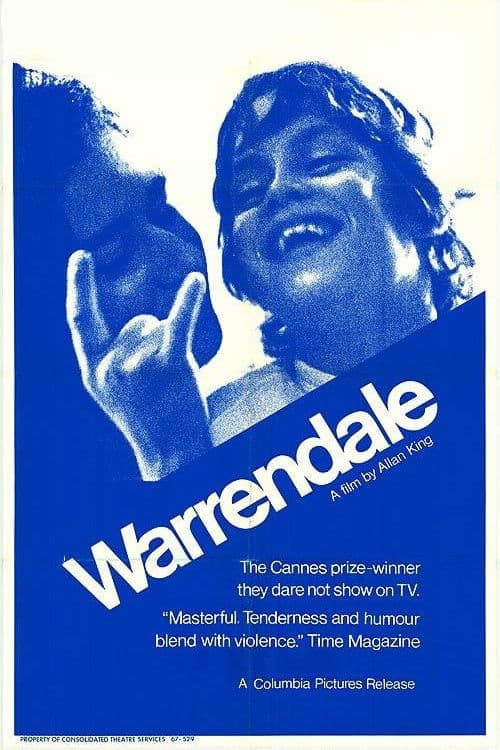
Warrendale
1967Filmed over five weeks at the Warrendale residential treatment center near Toronto, "Warrendale" observes twelve emotionally disturbed children and the staff who care for them. Working without narration, interviews, or direction, Allan King records daily life as it unfolds, establishing what he later described as “actuality drama.”
Popularity: 7.3
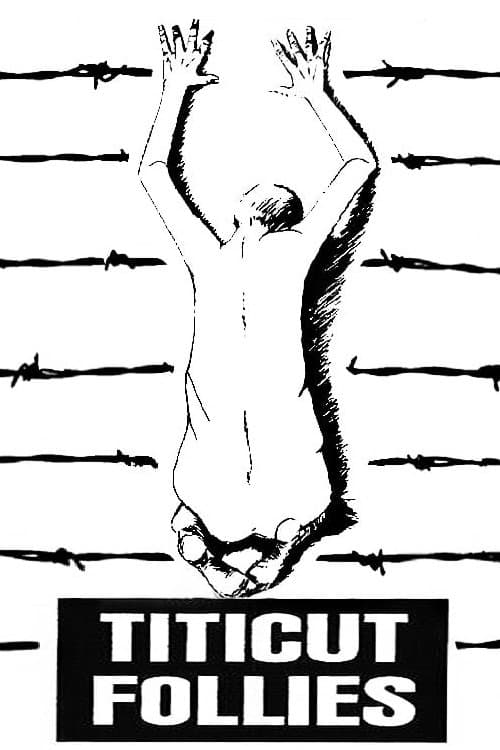
Titicut Follies
1967A stark and graphic portrayal of the conditions that existed at the State Prison for the Criminally Insane at Bridgewater, Massachusetts, and documents the various ways the inmates are treated by the guards, social workers, and psychiatrists.
Popularity: 7.2
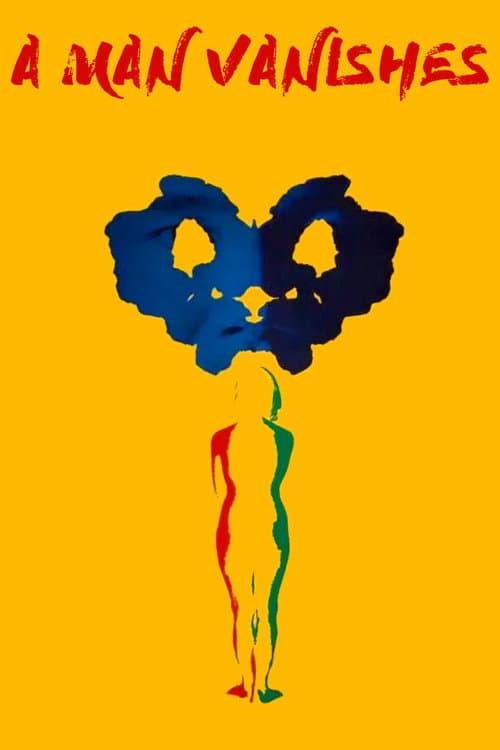
A Man Vanishes
1967A Man Vanishes examines the concept of Johatsu, tackling the phenomenon of people missing in Japan over the years. It picks one such person from the list, someone who had seemed to disappear from the face of the earth due to embezzlement from his company, and the filmmakers begin an investigative documentary into the reasons behind and attempt at tracking him down.
Popularity: 6.7
Diaries, Notes, and Sketches
1968Also known as Walden, Jonas Mekas’s first diary film is a six-reel chronicle of his life in 1960s New York, interweaving moments with family, friends, lovers, and artistic idols. Blending everyday encounters with portraits of the avant-garde art scene, it forms an epic, personal meditation on community, creativity, and the passage of time.
Popularity: 7.2
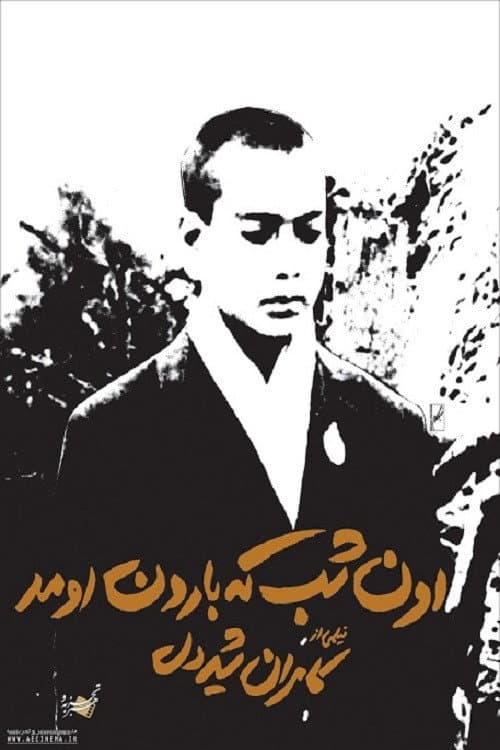
The Night It Rained
1967Initially banned for seven years, the film treats the questionable and controversial newspaper story of a heroic village boy who prevented a train disaster as an antiauthoritarian, Rashomon-like puzzle.
Popularity: 6.2
The Things I Cannot Change
1967"This feature documentary is considered to be the forerunner of the NFB's Challenge for Change Program. The film offers in inside look at 3 weeks in the life of the Bailey family. Trouble with the police, begging for stale bread, and the birth of another child are just some of the issues they face. Through it all, the father tries to explain his family's predicament. Although filmed in Montreal, the film offers an anatomy of poverty as it occurs throughout North America." - NFB
Popularity: 10.0
Warrendale
1967Filmed over five weeks at the Warrendale residential treatment center near Toronto, "Warrendale" observes twelve emotionally disturbed children and the staff who care for them. Working without narration, interviews, or direction, Allan King records daily life as it unfolds, establishing what he later described as “actuality drama.”
Popularity: 7.3
Titicut Follies
1967A stark and graphic portrayal of the conditions that existed at the State Prison for the Criminally Insane at Bridgewater, Massachusetts, and documents the various ways the inmates are treated by the guards, social workers, and psychiatrists.
Popularity: 7.2
A Man Vanishes
1967A Man Vanishes examines the concept of Johatsu, tackling the phenomenon of people missing in Japan over the years. It picks one such person from the list, someone who had seemed to disappear from the face of the earth due to embezzlement from his company, and the filmmakers begin an investigative documentary into the reasons behind and attempt at tracking him down.
Popularity: 6.7
Diaries, Notes, and Sketches
1968Also known as Walden, Jonas Mekas’s first diary film is a six-reel chronicle of his life in 1960s New York, interweaving moments with family, friends, lovers, and artistic idols. Blending everyday encounters with portraits of the avant-garde art scene, it forms an epic, personal meditation on community, creativity, and the passage of time.
Popularity: 7.2
The Night It Rained
1967Initially banned for seven years, the film treats the questionable and controversial newspaper story of a heroic village boy who prevented a train disaster as an antiauthoritarian, Rashomon-like puzzle.
Popularity: 6.2
If I Had Four Dromedaries
1966Composed entirely of still photographs taken by Chris Marker across 26 countries, If I Had Four Dromedaries presents a dialogue between three voices reflecting on the meaning of images and travel. Through this photo-essay form, Marker explores the relationship between still and moving images and the act of seeing itself.
Popularity: 7.0
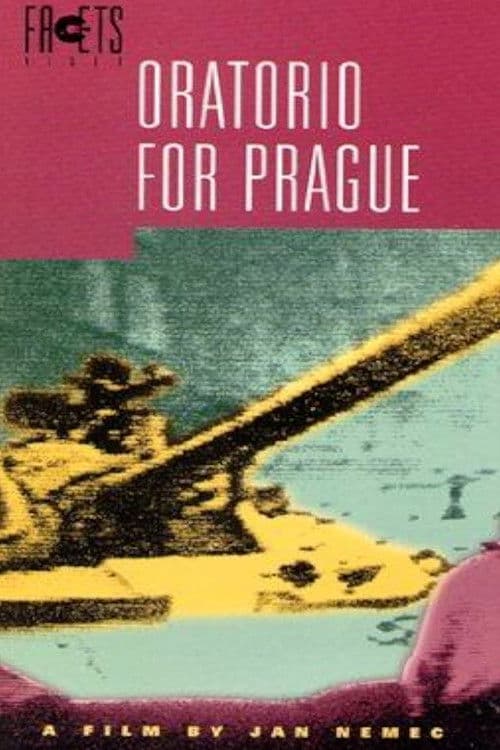
Oratorio for Prague
1968A unique document of the 1968 Soviet invasion of Czechoslovakia, what began as a documentary about the liberalization of Czechoslovakia evolved into a record of the entry of Russian tanks into Prague.
Popularity: 6.9
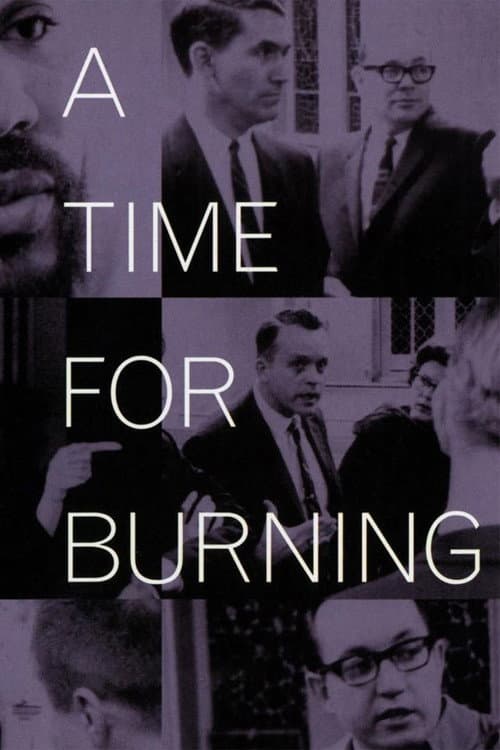
A Time for Burning
1967Explores the attempts of the minister of the Augustana Lutheran Church in Omaha, Nebraska, to persuade his all-white congregation to reach out to "negro" Lutherans in the city's north side.
Popularity: 5.6