Screenshots
No screenshots available for this title yet.
Cinema Discovery Archive
Cinephilecentral
Curated movie catalog and metadata explorer
Continue to the security-verification page to unlock your download.
A short ad flow runs before your download starts.
IMDB ID: tt0066751
Loading TMDb metadata...
No screenshots available for this title yet.
Synopsis
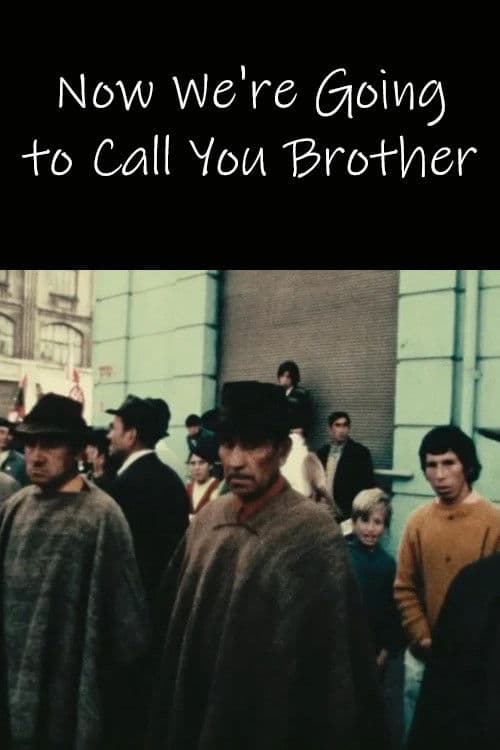
Raoul Ruiz shot this film on March 28th, 1971, during the big peasant march in Temuco, Chile, when the bill that gave the full citizenship and civil rights to the Mapuche Indio people was approved. Raoul Ruiz listens to their painful stories.
Raúl Ruiz
Director
Pictures of the Old World
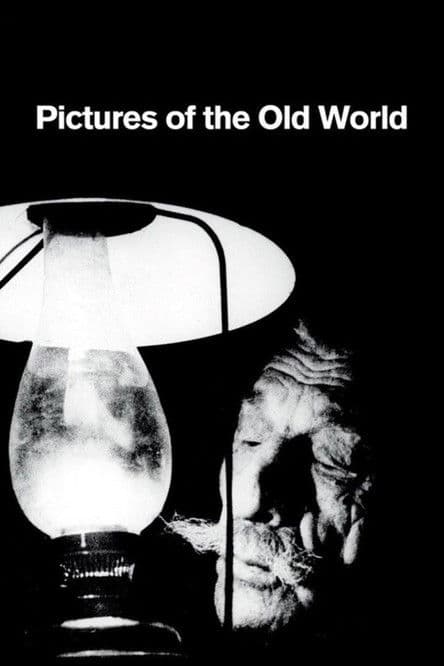
1972A raw and telling portrait of a people left behind by the modern world, inspired by the work of photographer Martin Martinček - whose pictures of the inhabitants of the Liptov region in central Slovakia, encompassed by the Tatra mountains, distilled entire lifetimes into luminous and intransient images. Dušan Hanák's continuation of these photographs takes the shape of a poetic visual essay, capturing more comprehensive vignettes of their isolated human experiences.
Popularity: 8.1

The Undergraduate
1971A "white-coater" documentary about sex, set on a university campus, scripted by Edward D. Wood, Jr.
Popularity: 7.0
Speaking Directly
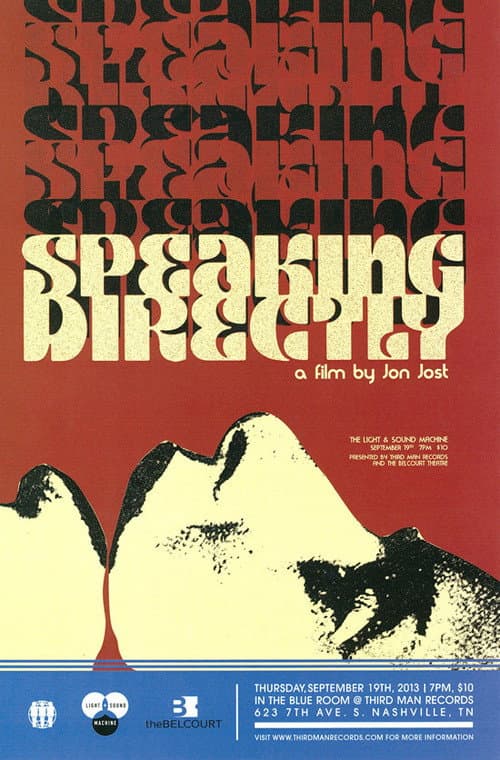
1973Speaking Directly is an essay-film making for a kind of State of the Nation address, from the perspective of someone other than the President of the United States, circa 1973-5. This film addresses both the political and cultural situation of the US at the height of the Viet Nam war, Watergate and its aftermath, and likewise addresses the personal life, in this context, of the filmmaker, at that time thirty years of age, recently out of two plus years in federal prison for refusal to accept military service.
Popularity: 8.6

a.k.a. Cassius Clay
1970The study of crazy brilliance and flamboyant sincerity. a.k.a. Cassius Clay presents a fascinating look at the incredible life and achievements of one of the most courageous, outspoken and charismatic figures of boxing: Muhammad Ali. Born Cassius Clay in 1942, Ali soon rose to become a renowned athlete, an articulate author and a compelling political; leader. Audacious, ambitious and totally fearless, Ali became a symbol of pride, a legend of hope and one of the most extraordinary cultural icons of the 20th century.
Popularity: 7.3

Essene
1972Essene is about daily life in a Benedictine monastery and the resolution of conflict between personal needs and the institutional and organizational priorities of the community. In the Order, where the focus of life is the relationship of individual work and worship to the community as a whole, the brethren must cope with the same issues that arise in any community: rules, work, worship, values, love, and play.
Popularity: 7.3
Karayuki-San, the Making of a Prostitute
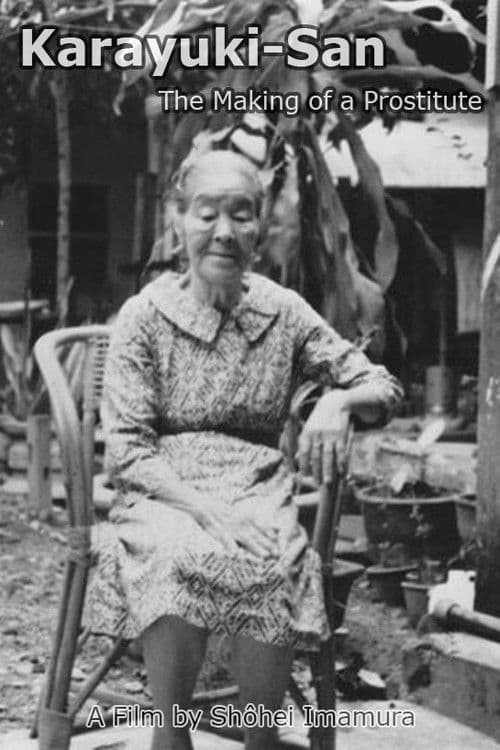
1973Karayuki-san, the Making of a Prostitute is a 1975 Japanese film by director Shohei Imamura. It is a documentary on one of the Japanese "karayuki-san," who were women that were taken from their homes in Japan and used as prostitutes in the post-war period. Many of these women were told that they were doing this to support their families because of the extreme poverty that the war left much of Japan to live in. Imamura focuses on a particular such woman who was sent to Malaysia and never returned to Japan. Joan Mellen, in The Waves at Genji's Door, called this film, "Perhaps the most brilliant and feeling of Imamura's fine documentaries."
Popularity: 8.3
Pictures of the Old World
1972A raw and telling portrait of a people left behind by the modern world, inspired by the work of photographer Martin Martinček - whose pictures of the inhabitants of the Liptov region in central Slovakia, encompassed by the Tatra mountains, distilled entire lifetimes into luminous and intransient images. Dušan Hanák's continuation of these photographs takes the shape of a poetic visual essay, capturing more comprehensive vignettes of their isolated human experiences.
Popularity: 8.1
The Undergraduate
1971A "white-coater" documentary about sex, set on a university campus, scripted by Edward D. Wood, Jr.
Popularity: 7.0
Speaking Directly
1973Speaking Directly is an essay-film making for a kind of State of the Nation address, from the perspective of someone other than the President of the United States, circa 1973-5. This film addresses both the political and cultural situation of the US at the height of the Viet Nam war, Watergate and its aftermath, and likewise addresses the personal life, in this context, of the filmmaker, at that time thirty years of age, recently out of two plus years in federal prison for refusal to accept military service.
Popularity: 8.6
a.k.a. Cassius Clay
1970The study of crazy brilliance and flamboyant sincerity. a.k.a. Cassius Clay presents a fascinating look at the incredible life and achievements of one of the most courageous, outspoken and charismatic figures of boxing: Muhammad Ali. Born Cassius Clay in 1942, Ali soon rose to become a renowned athlete, an articulate author and a compelling political; leader. Audacious, ambitious and totally fearless, Ali became a symbol of pride, a legend of hope and one of the most extraordinary cultural icons of the 20th century.
Popularity: 7.3
Essene
1972Essene is about daily life in a Benedictine monastery and the resolution of conflict between personal needs and the institutional and organizational priorities of the community. In the Order, where the focus of life is the relationship of individual work and worship to the community as a whole, the brethren must cope with the same issues that arise in any community: rules, work, worship, values, love, and play.
Popularity: 7.3
Karayuki-San, the Making of a Prostitute
1973Karayuki-san, the Making of a Prostitute is a 1975 Japanese film by director Shohei Imamura. It is a documentary on one of the Japanese "karayuki-san," who were women that were taken from their homes in Japan and used as prostitutes in the post-war period. Many of these women were told that they were doing this to support their families because of the extreme poverty that the war left much of Japan to live in. Imamura focuses on a particular such woman who was sent to Malaysia and never returned to Japan. Joan Mellen, in The Waves at Genji's Door, called this film, "Perhaps the most brilliant and feeling of Imamura's fine documentaries."
Popularity: 8.3
The Train Rolls On
1971This half-hour documentary by Chris Marker explores Aleksandr Medvedkin’s 1930s “Cine-Train,” a mobile film studio equipped with cameras, editing rooms, animation stations, and a laboratory. Traveling across the Soviet countryside, the train’s crew documented agricultural and industrial life—from Ukrainian harvests to southern steelworks—while living and working in cramped shared quarters.
Popularity: 6.3
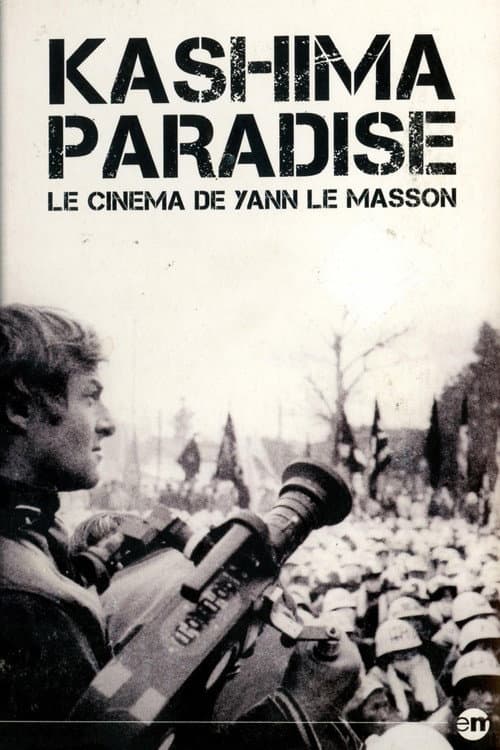
Kashima Paradise
1973This 1973 French documentary explores the conflict between modern values and material comforts in Japan and the more traditional obligations (giri) and culture which are still the real backbone of the society. Among the topics touched on are the Osaka Expo, battles against pollution, and Japanese leftist movements.
Popularity: 8.0
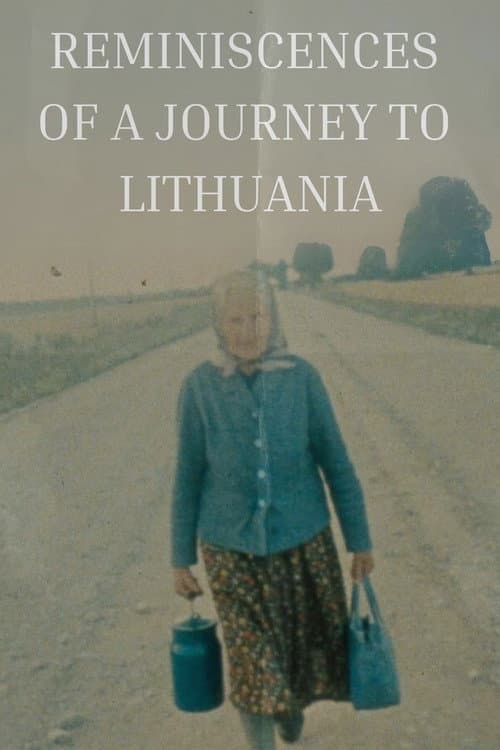
Reminiscences of a Journey to Lithuania
1972Jonas Mekas weaves an elegiac diary film from his 1971–72 return to Lithuania, chronicling a visit to his birthplace of Semeniškiai after decades in exile. Blending personal memory with documentary observation, the film becomes both a portrait of homecoming and a meditation on displacement, family, and the passage of time.
Popularity: 7.0