Screenshots
No screenshots available for this title yet.
Cinema Discovery Archive
Cinephilecentral
Curated movie catalog and metadata explorer
Continue to the security-verification page to unlock your download.
A short ad flow runs before your download starts.
IMDB ID: tt0067324
Loading TMDb metadata...
No screenshots available for this title yet.
Synopsis
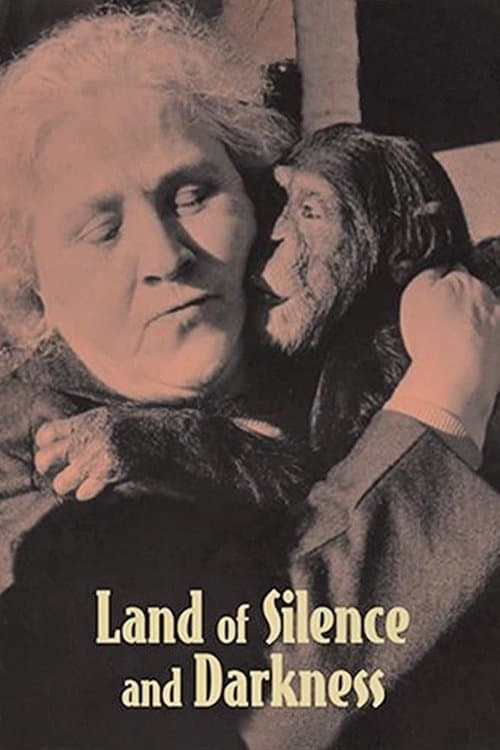
Through examining Fini Straubinger, an old woman who has been deaf and blind since her teens, and her work on behalf of other deaf-blind people, this film shows how the deaf-blind struggle to understand and accept a world from which they are almost wholly isolated.
Fini Straubinger
Cast
Heinrich Fleischmann
Cast
Vladimir Kokol
Cast
M. Baaske
Cast
Resi Mittermeier
Cast
Rolf Illig
Cast
Werner Herzog
Director
Werner Herzog
Writer
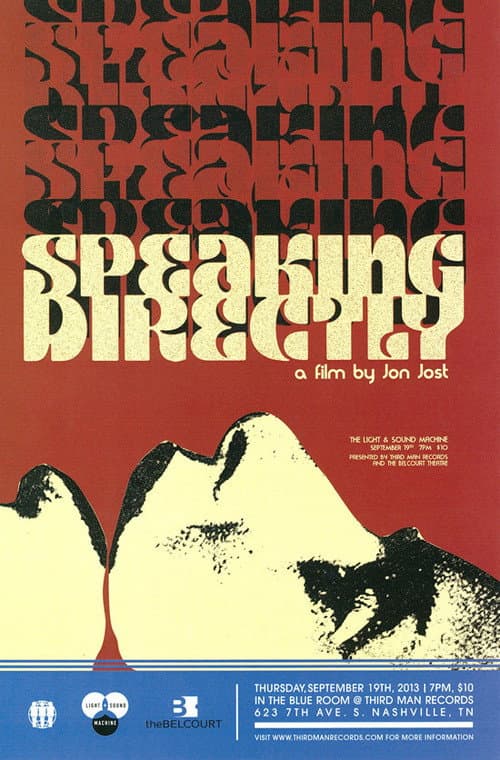
Speaking Directly
1973Speaking Directly is an essay-film making for a kind of State of the Nation address, from the perspective of someone other than the President of the United States, circa 1973-5. This film addresses both the political and cultural situation of the US at the height of the Viet Nam war, Watergate and its aftermath, and likewise addresses the personal life, in this context, of the filmmaker, at that time thirty years of age, recently out of two plus years in federal prison for refusal to accept military service.
Popularity: 8.6
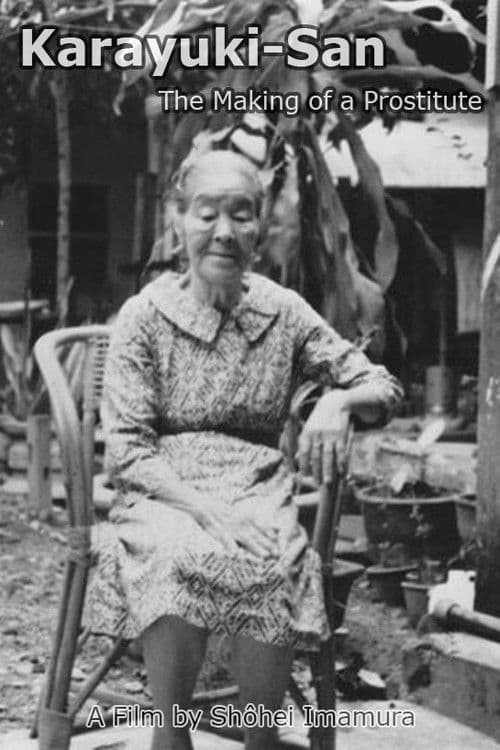
Karayuki-San, the Making of a Prostitute
1973Karayuki-san, the Making of a Prostitute is a 1975 Japanese film by director Shohei Imamura. It is a documentary on one of the Japanese "karayuki-san," who were women that were taken from their homes in Japan and used as prostitutes in the post-war period. Many of these women were told that they were doing this to support their families because of the extreme poverty that the war left much of Japan to live in. Imamura focuses on a particular such woman who was sent to Malaysia and never returned to Japan. Joan Mellen, in The Waves at Genji's Door, called this film, "Perhaps the most brilliant and feeling of Imamura's fine documentaries."
Popularity: 8.3
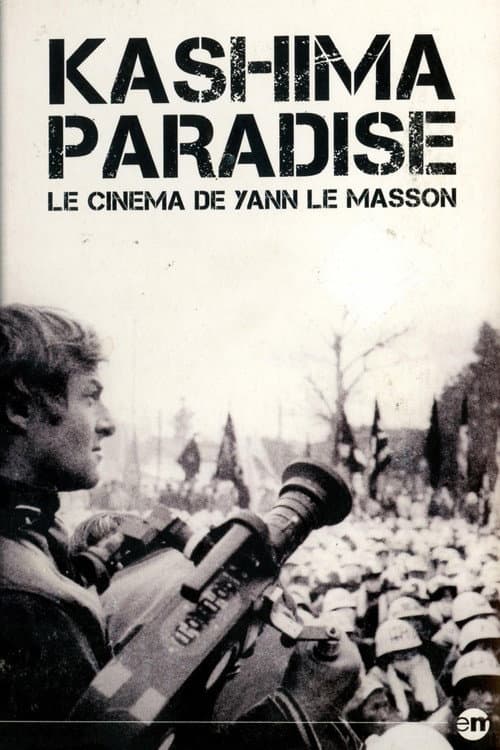
Kashima Paradise
1973This 1973 French documentary explores the conflict between modern values and material comforts in Japan and the more traditional obligations (giri) and culture which are still the real backbone of the society. Among the topics touched on are the Osaka Expo, battles against pollution, and Japanese leftist movements.
Popularity: 8.0

The Silk Tree Ballad
1974At Nemunoki, children and young adults with physical, intellectual or familial difficulties are gently encouraged to discover and develop their talents through such activities as painting, music, tea ceremony and dancing.
Popularity: 8.8
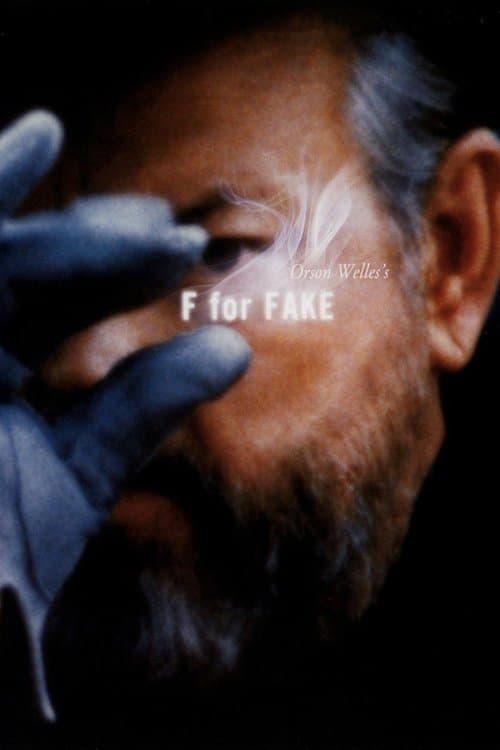
F for Fake
1973Documents the lives of infamous fakers Elmyr de Hory and Clifford Irving. De Hory, who later committed suicide to avoid more prison time, made his name by selling forged works of art by painters like Picasso and Matisse. Irving was infamous for writing a fake autobiography of Howard Hughes. Welles moves between documentary and fiction as he examines the fundamental elements of fraud and the people who commit fraud at the expense of others.
Popularity: 7.4
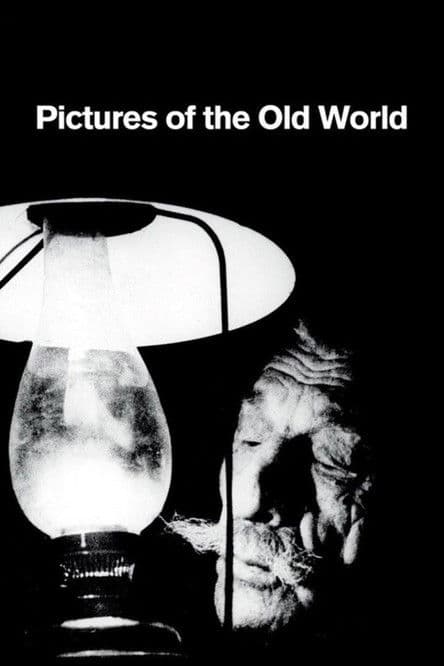
Pictures of the Old World
1972A raw and telling portrait of a people left behind by the modern world, inspired by the work of photographer Martin Martinček - whose pictures of the inhabitants of the Liptov region in central Slovakia, encompassed by the Tatra mountains, distilled entire lifetimes into luminous and intransient images. Dušan Hanák's continuation of these photographs takes the shape of a poetic visual essay, capturing more comprehensive vignettes of their isolated human experiences.
Popularity: 8.1
Speaking Directly
1973Speaking Directly is an essay-film making for a kind of State of the Nation address, from the perspective of someone other than the President of the United States, circa 1973-5. This film addresses both the political and cultural situation of the US at the height of the Viet Nam war, Watergate and its aftermath, and likewise addresses the personal life, in this context, of the filmmaker, at that time thirty years of age, recently out of two plus years in federal prison for refusal to accept military service.
Popularity: 8.6
Karayuki-San, the Making of a Prostitute
1973Karayuki-san, the Making of a Prostitute is a 1975 Japanese film by director Shohei Imamura. It is a documentary on one of the Japanese "karayuki-san," who were women that were taken from their homes in Japan and used as prostitutes in the post-war period. Many of these women were told that they were doing this to support their families because of the extreme poverty that the war left much of Japan to live in. Imamura focuses on a particular such woman who was sent to Malaysia and never returned to Japan. Joan Mellen, in The Waves at Genji's Door, called this film, "Perhaps the most brilliant and feeling of Imamura's fine documentaries."
Popularity: 8.3
Kashima Paradise
1973This 1973 French documentary explores the conflict between modern values and material comforts in Japan and the more traditional obligations (giri) and culture which are still the real backbone of the society. Among the topics touched on are the Osaka Expo, battles against pollution, and Japanese leftist movements.
Popularity: 8.0
The Silk Tree Ballad
1974At Nemunoki, children and young adults with physical, intellectual or familial difficulties are gently encouraged to discover and develop their talents through such activities as painting, music, tea ceremony and dancing.
Popularity: 8.8
F for Fake
1973Documents the lives of infamous fakers Elmyr de Hory and Clifford Irving. De Hory, who later committed suicide to avoid more prison time, made his name by selling forged works of art by painters like Picasso and Matisse. Irving was infamous for writing a fake autobiography of Howard Hughes. Welles moves between documentary and fiction as he examines the fundamental elements of fraud and the people who commit fraud at the expense of others.
Popularity: 7.4
Pictures of the Old World
1972A raw and telling portrait of a people left behind by the modern world, inspired by the work of photographer Martin Martinček - whose pictures of the inhabitants of the Liptov region in central Slovakia, encompassed by the Tatra mountains, distilled entire lifetimes into luminous and intransient images. Dušan Hanák's continuation of these photographs takes the shape of a poetic visual essay, capturing more comprehensive vignettes of their isolated human experiences.
Popularity: 8.1

They Do Not Exist
1974Shooting under extraordinary conditions, the director, who worked with Godard on his "Ici et Ailleurs" ("Here and Elsewhere") - this film was shot on the same 16mm camera - and founded the PLO's film division, covers conditions in Lebanon's refugee camps, the effects of Israeli bombardments, and the lives of guerrillas in training camps. "They Do Not Exist" is a stylistically unique work which explodes at the intersection between the political and the aesthetic.
Popularity: 8.1
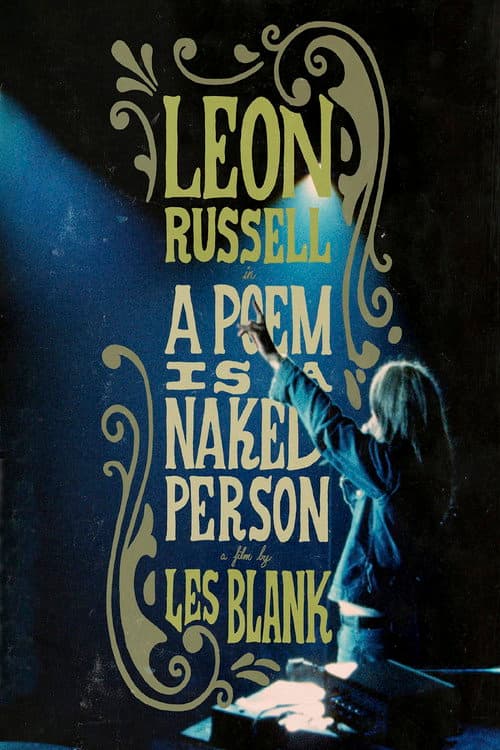
A Poem Is a Naked Person
1974Les Blank's first feature-length documentary captures music and other events at Leon Russell's Oklahoma recording studio during a three-year period (1972-1974).
Popularity: 7.6

Bird on a Wire
1974The gravel-voiced songsmith moodily strolls through the byways of various European venues and is seen in concert performing.
Popularity: 7.6