Screenshots
No screenshots available for this title yet.
Cinema Discovery Archive
Cinephilecentral
Curated movie catalog and metadata explorer
Continue to the security-verification page to unlock your download.
A short ad flow runs before your download starts.
IMDB ID: tt0307982
Loading TMDb metadata...
No screenshots available for this title yet.
Synopsis
Babulal Bhuiya was shot dead by the Central Industrial Security Force in February 1981 at Mailagora where the people make a living out of collecting coal dust. The implications of his death (and the politics behind it) to the union and his family are examined.
Manjira Datta
Director
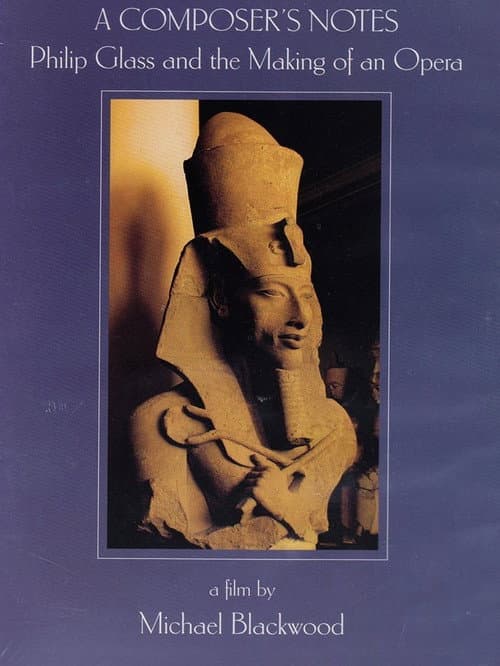
A Composer’s Notes: Philip Glass and the Making of an Opera
1986This documentary by Michael Blackwood looks at the development and production of Glass' opera Akhnaten. The film follows two productions by the Württemberg State Theater, Stuttgart, and the Houston Grand Opera.
Popularity: 10.0
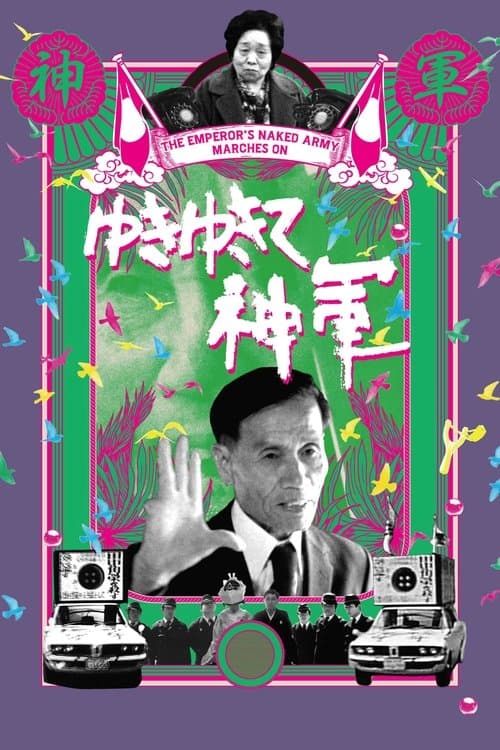
The Emperor's Naked Army Marches On
1987Kenzo Okuzaki, a 62-year-old veteran of the New Guinea campaign in World War II, sets out to conduct interviews with survivors and relatives to find the truth behind atrocities committed by Japanese military, in particular the unexplained killing of two Japanese privates in his unit.
Popularity: 7.5
The Unending Flow
1988A film about folk dances of India that deals with their broad classification with an assumption that these folk dances are governed by the moods and methods of their own with unlimited capacity to assimilate, improvise and vibrate with vitality.
Popularity: 8.0
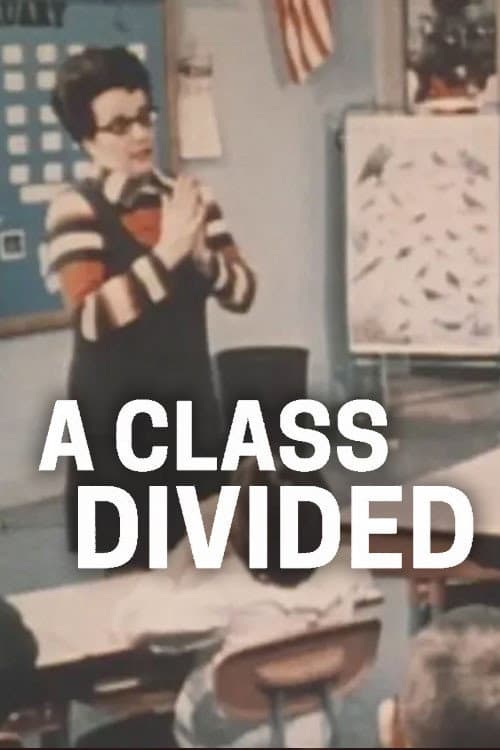
A Class Divided
1985William Peters follows up on the 1970 TV documentary Eye of the Storm about Jane Elliott's experiment of dividing an otherwise homogenous group of school kids by their eye color. The episode intercuts footage from Eye of the Storm with new footage of the students, who are now adults. The film takes us through the journey of a young class learning the unfairness of racism. Elliot teaches the lesson through eye color and different treatment. All of the students admit that this is wrong. In footage of the students as adults, we are able to see how this shaped the experiment changed their lives.
Popularity: 8.3
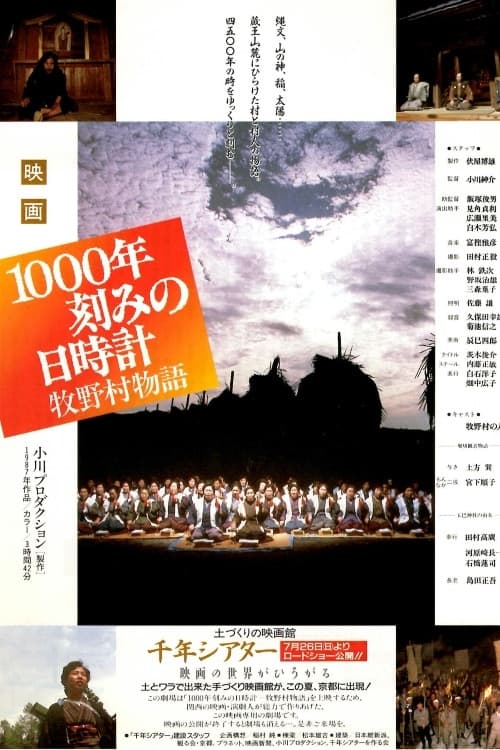
Magino Village: A Tale
1987The movie compiles footage taken by Ogawa Production for a period of more than ten years after the collective moved to Magino village. Unique to this film are fictional reenactments of the history of the village in the sections titled "The Tale of Horikiri Goddess" and "The Origins of Itsutsudomoe Shrine". Ogawa combines all the techniques that were developed in his previous films to simultaneously express multiple layers of time—the temporality of rice growing and of human life, personal life histories, the history of the village, the time of the Gods, and new time created through theatrical reenactment—bring them into a unified whole. The faces of the Magino villagers appear in numerous roles transcending time and space—sometimes as individuals, sometimes as people who carry the history of the village in their memories, sometimes as storytellers reciting myths, and even as members of the crowd in the fictional sequences.
Popularity: 6.2
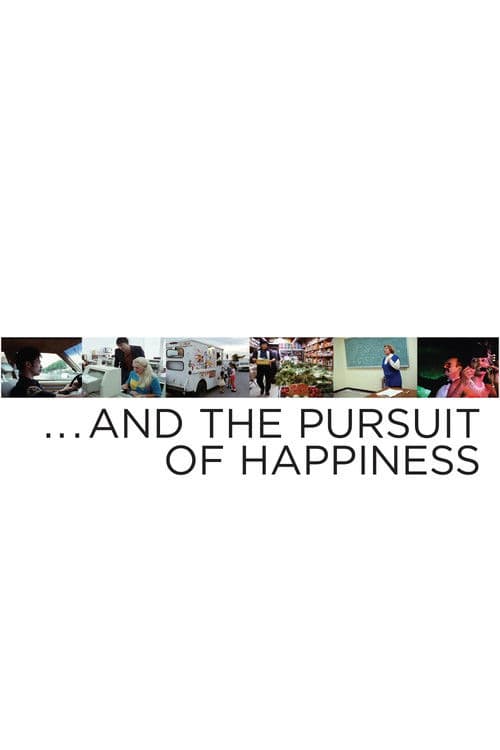
… And the Pursuit of Happiness
1986In 1986, Louis Malle examines the immigrant experience in America by interviewing newcomers from various professions nationwide, highlighting their struggles in a multicultural society.
Popularity: 6.9
A Composer’s Notes: Philip Glass and the Making of an Opera
1986This documentary by Michael Blackwood looks at the development and production of Glass' opera Akhnaten. The film follows two productions by the Württemberg State Theater, Stuttgart, and the Houston Grand Opera.
Popularity: 10.0
The Emperor's Naked Army Marches On
1987Kenzo Okuzaki, a 62-year-old veteran of the New Guinea campaign in World War II, sets out to conduct interviews with survivors and relatives to find the truth behind atrocities committed by Japanese military, in particular the unexplained killing of two Japanese privates in his unit.
Popularity: 7.5
The Unending Flow
1988A film about folk dances of India that deals with their broad classification with an assumption that these folk dances are governed by the moods and methods of their own with unlimited capacity to assimilate, improvise and vibrate with vitality.
Popularity: 8.0
A Class Divided
1985William Peters follows up on the 1970 TV documentary Eye of the Storm about Jane Elliott's experiment of dividing an otherwise homogenous group of school kids by their eye color. The episode intercuts footage from Eye of the Storm with new footage of the students, who are now adults. The film takes us through the journey of a young class learning the unfairness of racism. Elliot teaches the lesson through eye color and different treatment. All of the students admit that this is wrong. In footage of the students as adults, we are able to see how this shaped the experiment changed their lives.
Popularity: 8.3
Magino Village: A Tale
1987The movie compiles footage taken by Ogawa Production for a period of more than ten years after the collective moved to Magino village. Unique to this film are fictional reenactments of the history of the village in the sections titled "The Tale of Horikiri Goddess" and "The Origins of Itsutsudomoe Shrine". Ogawa combines all the techniques that were developed in his previous films to simultaneously express multiple layers of time—the temporality of rice growing and of human life, personal life histories, the history of the village, the time of the Gods, and new time created through theatrical reenactment—bring them into a unified whole. The faces of the Magino villagers appear in numerous roles transcending time and space—sometimes as individuals, sometimes as people who carry the history of the village in their memories, sometimes as storytellers reciting myths, and even as members of the crowd in the fictional sequences.
Popularity: 6.2
… And the Pursuit of Happiness
1986In 1986, Louis Malle examines the immigrant experience in America by interviewing newcomers from various professions nationwide, highlighting their struggles in a multicultural society.
Popularity: 6.9
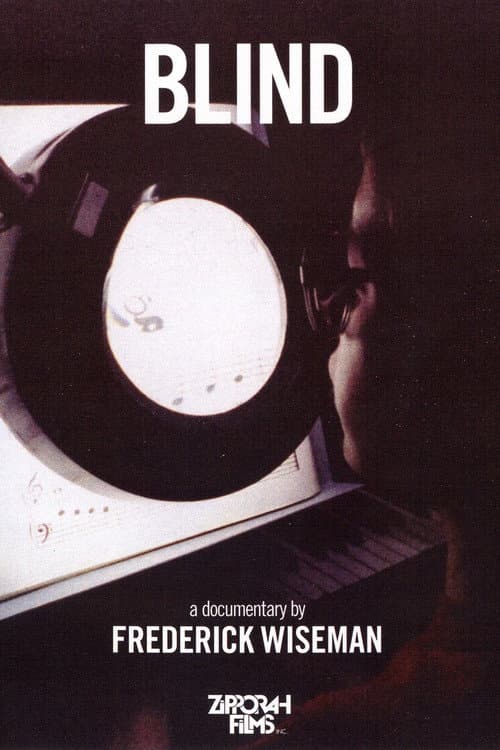
Blind
1986BLIND shows the educational programs and daily life of students in kindergarten through the 12th grade at the Alabama School for the Blind. The School is organized around the effort to educate blind and visually impaired students to be in charge of their own lives. Sequences in the film include mobility training, braille instruction and orientation as well as traditional classroom subjects such as English, history, science and music. Other sequences show psychological counseling sessions; vocational training; staff dealing with student disciplinary problems; and the wide variety of recreational and athletic programs.
Popularity: 6.7
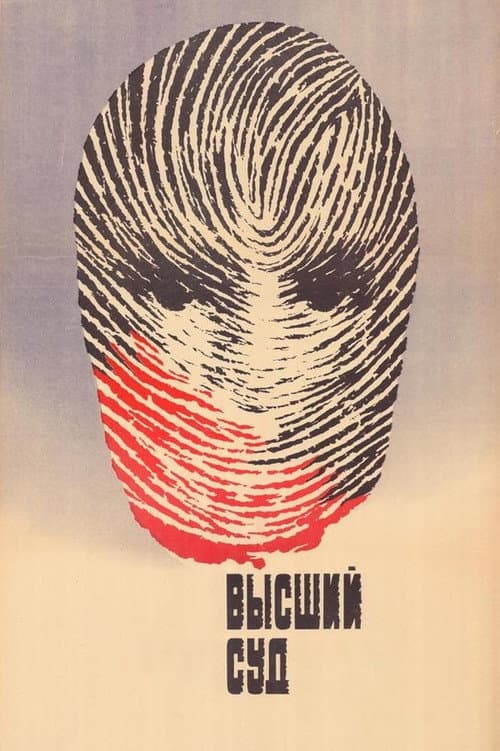
The Last Judgement
1987A man is facing a trial for murdering a Latvian union leader, which more likely than not will end with a death sentence. A close-up look at his emotional journey through the trial, imprisonment and beyond.
Popularity: 5.6
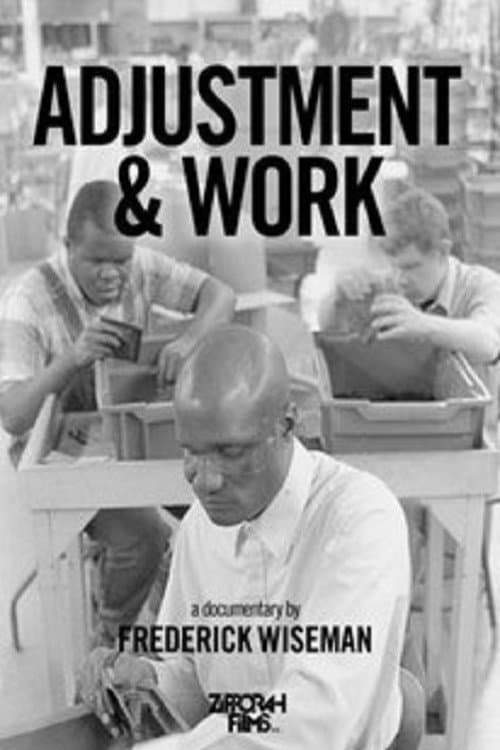
Adjustment & Work
1986Wiseman enumerates the sights and sounds of Talladega, Alabama – the railroad tracks, quiet streets and homes, a few shops downtown – almost as if to list those things most of us might take for granted. Of the four films in this series, Adjustment & Work is the only one that focuses entirely on adults—specifically adults who have recently lost their sight (and hence are adjusting to this change) and those without sight or hearing who are learning skills in order to enter the workforce.
Popularity: 6.5