Screenshots
No screenshots available for this title yet.
Cinema Discovery Archive
Cinephilecentral
Curated movie catalog and metadata explorer
Continue to the security-verification page to unlock your download.
A short ad flow runs before your download starts.
IMDB ID: tt0826039
Loading TMDb metadata...
No screenshots available for this title yet.
Synopsis
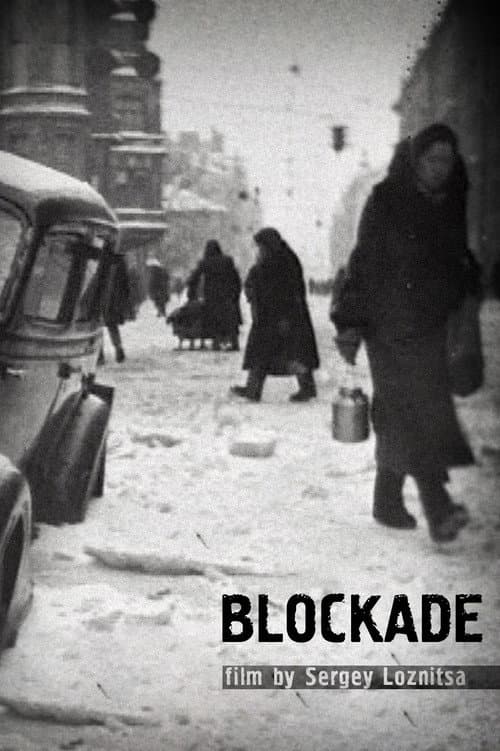
The images comprise only of material Sergei Loznitsa found in the Moscow film archives about the siege of Leningrad during the World War II. By providing the originally silent images with a meticulously reconstructed soundtrack, the scenes from everyday life under siege seem to be set in the present. By not intervening in the montage but giving the scenes room to tell a story, the scenes transcend the specific historic events and lead a new life. They do not evoke memories of the past, but become a breathtaking reanimation of reality.
Sergei Loznitsa
Director
Sergei Loznitsa
Writer
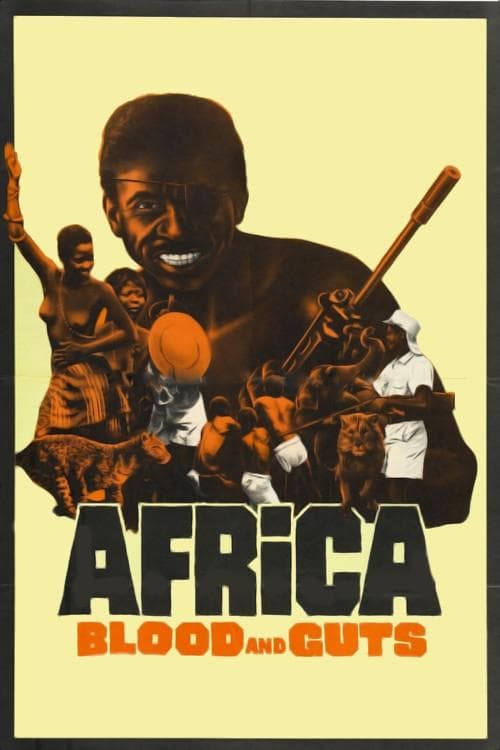
Africa Blood and Guts
1966A chronicle of the violence that occurred in much of the African continent throughout the 1960s. As many African countries were transitioning from colonial rule to other forms of government, violent political upheavals were frequent. Revolutions in Zanzibar and Kenya in which thousands were killed are shown, the violence not only political; there is also extensive footage of hunters and poachers slaughtering different types of wild animals.
Popularity: 6.2
Africa Blood and Guts
1966A chronicle of the violence that occurred in much of the African continent throughout the 1960s. As many African countries were transitioning from colonial rule to other forms of government, violent political upheavals were frequent. Revolutions in Zanzibar and Kenya in which thousands were killed are shown, the violence not only political; there is also extensive footage of hunters and poachers slaughtering different types of wild animals.
Popularity: 6.1
Surname Viêt Given Name Nam
1989The film evolves around questions of identity, popular memory and culture. While focusing on aspects of Vietnamese reality as seen through the lives and history of women resistance in Vietnam and in the U.S, it raises questions on the politics of interviewing and documenting.
Popularity: 5.2
The Armenian Genocide
2006Explores the Ottoman Empire killings of more than one million Armenians during World War I. The film describes not only what happened before, during and since World War I, but also takes a direct look at the genocide denial maintained by Turkey to the present day.
Popularity: 6.7
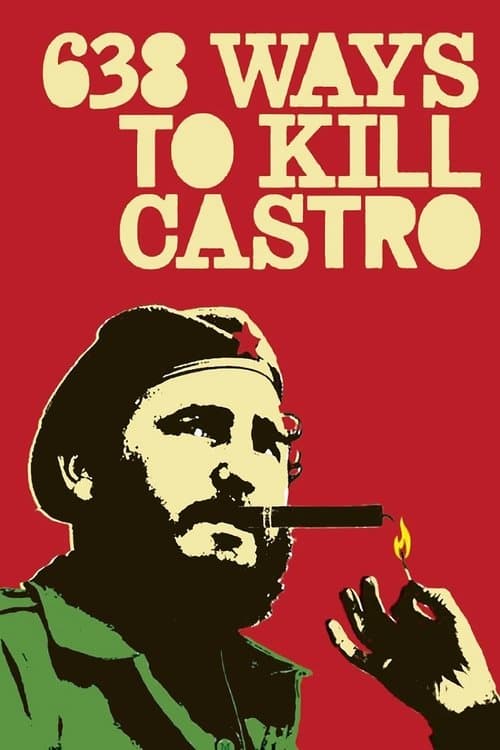
638 Ways to Kill Castro
2006Dollan Cannell's documentary on the hundreds of alleged plots to assassinate Fidel Castro, and a look at the evolution of Cuban politics. If the title of this extraordinary film sounds ludicrous, don't be fooled. This film looks at the incredible story of the 638 alleged plots by the CIA and Cuban exiles to kill the Cuban leader Fidel Castro.
Popularity: 6.2
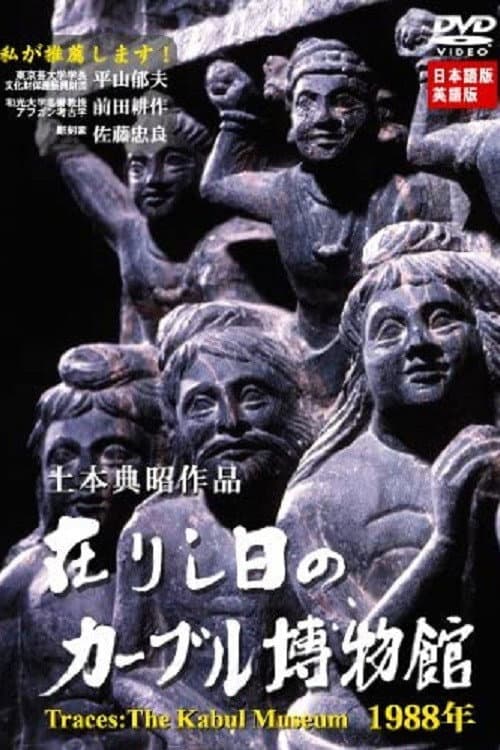
Traces: The Kabul Museum 1988
2003The Kabul National Museum, once known as the "face of Afghanistan," was destroyed in 1993. We filmed the most important cultural treasures of the still-intact museum in 1988: ancient Greco-Roman art and antiquitied of Hellenistic civilization, as well as Buddhist sculpture that was said to have mythology--the art of Gandhara, Bamiyan, and Shotorak among them. After the fall of the Democratic Republic of Afghanistan in 1992, some seventy percent of the contents of the museum was destroyed, stolen, or smuggled overseas to Japan and other countries. The movement to return these items is also touched upon. The footage in this video represents that only film documentation of the Kabul Museum ever made.
Popularity: 9.0
Africa Blood and Guts
1966A chronicle of the violence that occurred in much of the African continent throughout the 1960s. As many African countries were transitioning from colonial rule to other forms of government, violent political upheavals were frequent. Revolutions in Zanzibar and Kenya in which thousands were killed are shown, the violence not only political; there is also extensive footage of hunters and poachers slaughtering different types of wild animals.
Popularity: 6.2
Africa Blood and Guts
1966A chronicle of the violence that occurred in much of the African continent throughout the 1960s. As many African countries were transitioning from colonial rule to other forms of government, violent political upheavals were frequent. Revolutions in Zanzibar and Kenya in which thousands were killed are shown, the violence not only political; there is also extensive footage of hunters and poachers slaughtering different types of wild animals.
Popularity: 6.1
Surname Viêt Given Name Nam
1989The film evolves around questions of identity, popular memory and culture. While focusing on aspects of Vietnamese reality as seen through the lives and history of women resistance in Vietnam and in the U.S, it raises questions on the politics of interviewing and documenting.
Popularity: 5.2
The Armenian Genocide
2006Explores the Ottoman Empire killings of more than one million Armenians during World War I. The film describes not only what happened before, during and since World War I, but also takes a direct look at the genocide denial maintained by Turkey to the present day.
Popularity: 6.7
638 Ways to Kill Castro
2006Dollan Cannell's documentary on the hundreds of alleged plots to assassinate Fidel Castro, and a look at the evolution of Cuban politics. If the title of this extraordinary film sounds ludicrous, don't be fooled. This film looks at the incredible story of the 638 alleged plots by the CIA and Cuban exiles to kill the Cuban leader Fidel Castro.
Popularity: 6.2
Traces: The Kabul Museum 1988
2003The Kabul National Museum, once known as the "face of Afghanistan," was destroyed in 1993. We filmed the most important cultural treasures of the still-intact museum in 1988: ancient Greco-Roman art and antiquitied of Hellenistic civilization, as well as Buddhist sculpture that was said to have mythology--the art of Gandhara, Bamiyan, and Shotorak among them. After the fall of the Democratic Republic of Afghanistan in 1992, some seventy percent of the contents of the museum was destroyed, stolen, or smuggled overseas to Japan and other countries. The movement to return these items is also touched upon. The footage in this video represents that only film documentation of the Kabul Museum ever made.
Popularity: 9.0
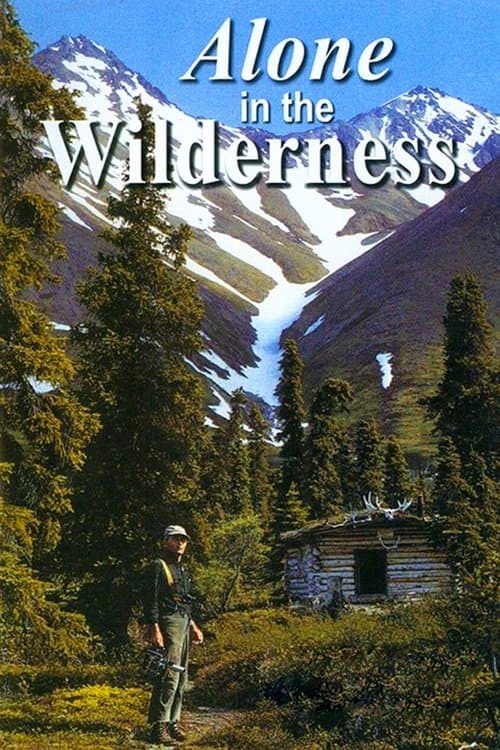
Alone in the Wilderness
2004Dick Proenneke retired at age 50 in 1967 and decided to build his own cabin in the wilderness at the base of the Aleutian Peninsula, in what is now Lake Clark National Park. Using color footage he shot himself, Proenneke traces how he came to this remote area, selected a homestead site and built his log cabin completely by himself. The documentary covers his first year in-country, showing his day-to-day activities and the passing of the seasons as he sought to scratch out a living alone in the wilderness.
Popularity: 7.9
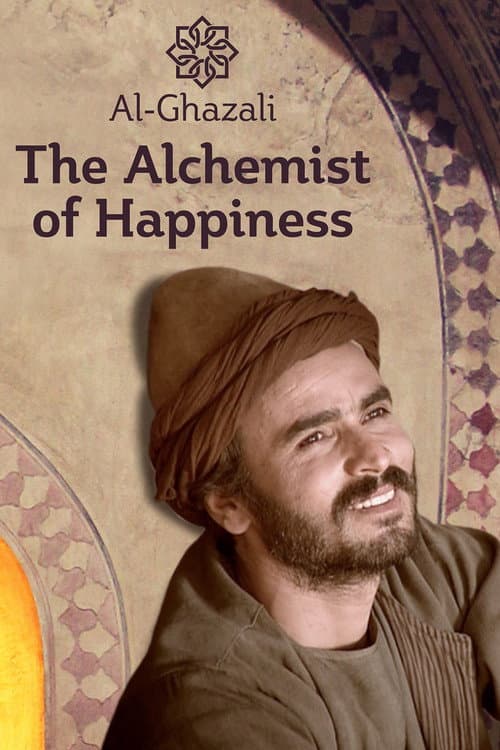
Al-Ghazali: The Alchemist of Happiness
2004Exploring the life and impact of the greatest spiritual and legal philosopher in Islamic history, this film examines Ghazali's existential crisis of faith that arose from his rejection of religious dogmatism, and reveals profound parallels with our own times. Ghazali became known as the Proof of Islam and his path of love and spiritual excellence overcame the pitfalls of the organised religion of his day. His path was largely abandoned by early 20th century Muslim reformers for the more strident and less tolerant school of Ibn Taymiyya. Combining drama with documentary, this film argues that Ghazali's Islam is the antidote for today's terror.
Popularity: 7.0
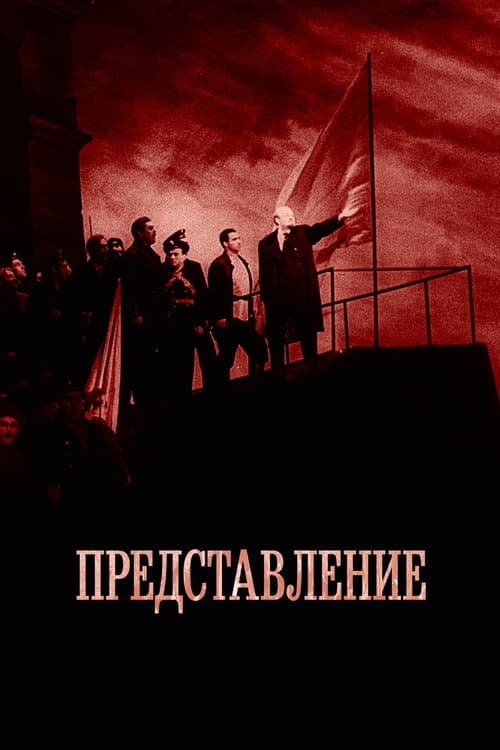
Revue
2008As he did with his critically-acclaimed "Blockade," a documentary re-creation of the WWII siege of Leningrad, which received its NY theatrical premiere in March 2007, filmmaker Sergei Loznitsa has once again scoured the Russian film archives for "Revue," selecting excerpts from newsreels, propaganda films, TV shows and feature films that present an evocative portrait of Soviet life during the 1950s and 1960s. With scenes taken from the length and breadth of the “Soviet Motherland,” "Revue" illustrates industry and agriculture, political life, popular culture, and technology. The film’s fascinating flow of disparate scenes representing typical Soviet life of the period is, seen from today’s perspective, alternately poignant, funny, and tragic
Popularity: 7.0